Global barbecue is not one recipe or one definition. Different places solve different problems with fuel, distance, cuts, seasoning, tools, and serving order. A useful introduction does not flatten those traditions into “meat plus smoke.” It asks what each method is trying to control, then shows how a home cook can learn from the principle without pretending that a backyard grill reproduces the original setting.
Compare the cooking logic
Start with heat. Some traditions use high direct heat for thin cuts and quick service. Others use settled embers, raised grates, pits, rotisseries, or low indirect heat for time and tenderness. The first question is not what sauce belongs on the food. It is how far the food sits from the energy and how the cook knows when to move it.
Fuel changes the method. Charcoal, hardwood, gas, and specialised smokers have different airflow and recovery behaviour. A gas grill can provide repeatable heat quickly. Charcoal teaches ember arrangement and vent control. Wood adds both heat and smoke, requiring attention to combustion. A home adaptation should name the change instead of claiming that the equipment is interchangeable.
Learn from seasoning without collecting labels
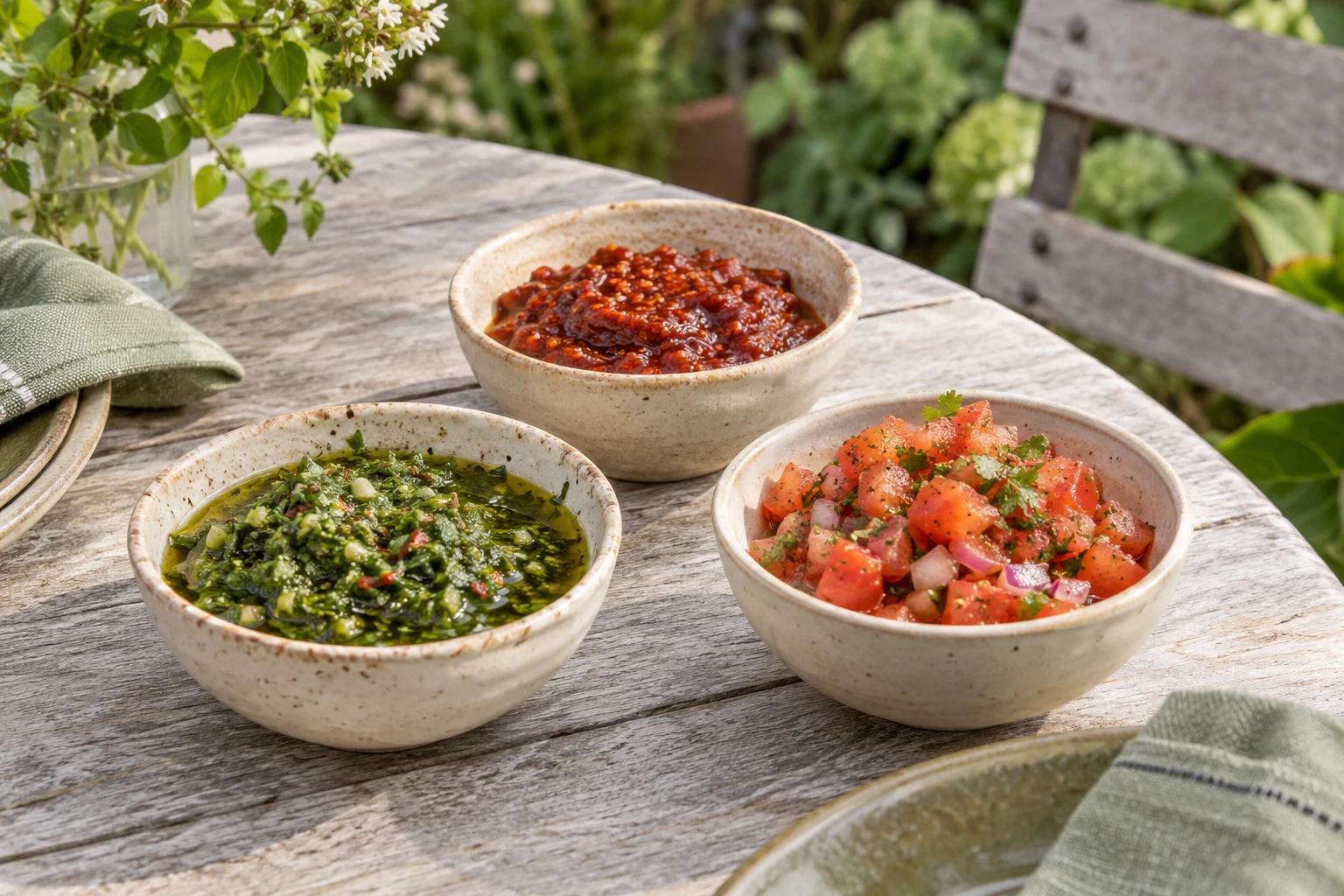
Seasoning often reflects the heat and cut. A simple salt treatment can show the flavour of beef over embers. A marinade may suit thin pieces that cook quickly. A dry rub can create a surface crust during a longer cook. A sauce may be served at the table, brushed late, or kept separate so it does not burn.
Try one seasoning idea at a time. Do not combine several regional sauces and call the result a comparison. The goal is to understand what the seasoning solves: surface flavour, moisture, aroma, acidity, heat, or contrast. Use ingredients you can identify and handle safely, and do not let cultural names become decoration without explanation.
Adapt the heat honestly
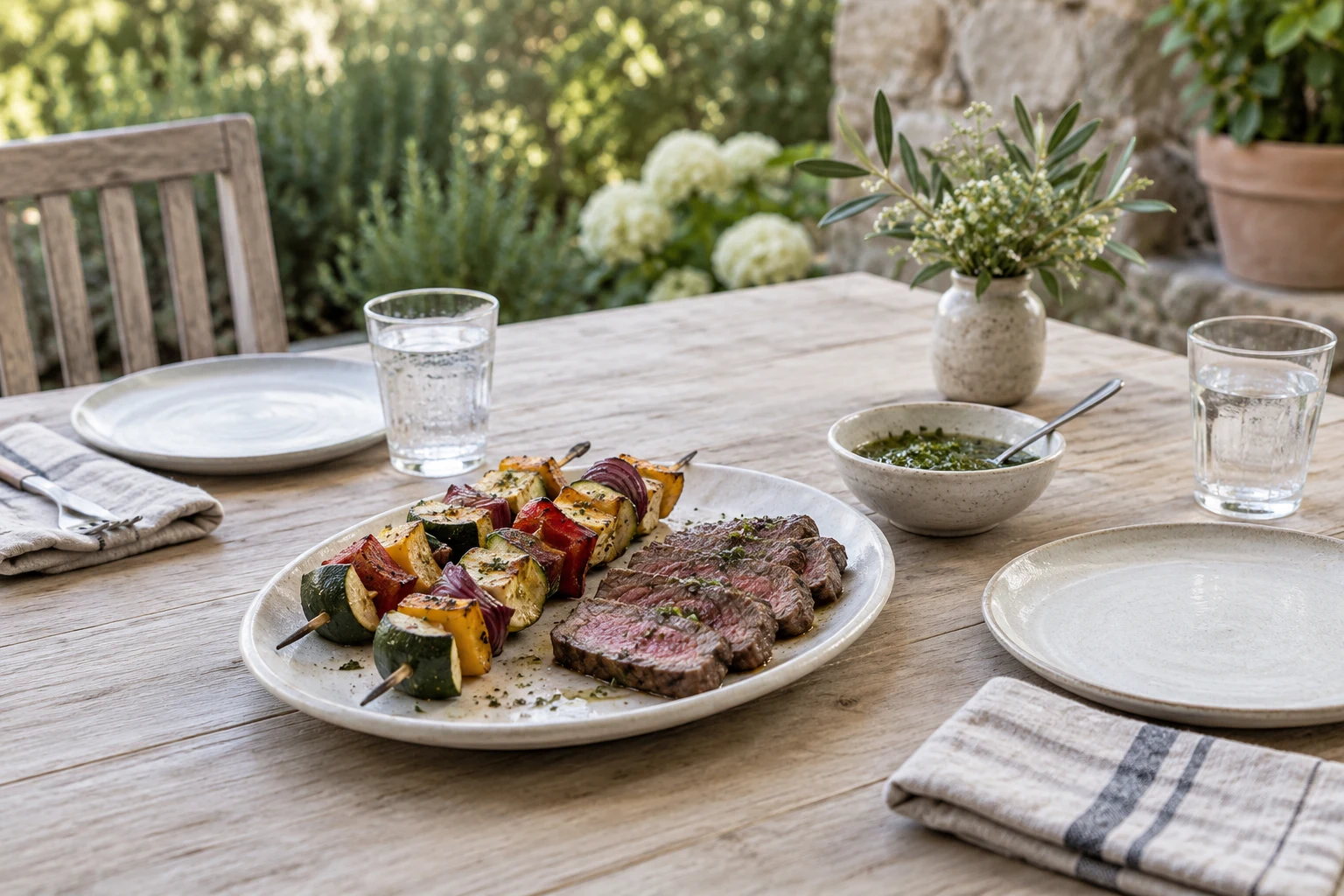
A home kettle cannot become a traditional pit simply because a recipe uses a similar name. It can teach a related decision. Use a two-zone fire to study distance. Use skewers to study turning and serving rounds. Use a plancha to study thin food over high heat. Use a covered grill to study indirect circulation. Describe the method as inspired or adapted when the equipment and setting differ.
Keep the first experiment small. A single cut, vegetable, or skewer lets you observe the fire without risking an entire gathering. Record heat placement, fuel, timing, and surface changes. A respectful adaptation is more useful when it explains what travelled from the original method and what changed for the home cook.
Keep food safety independent
Cultural technique does not replace safe handling. Keep raw food chilled, separate raw and cooked tools, and use a clean platter. Follow current FoodSafety.gov and USDA FSIS guidance for the specific meat, especially poultry and ground meat. Smoke, char, and traditional presentation cannot prove that the centre is safe.
Outdoor fire also has physical risks. Use equipment outdoors, maintain clearance from structures, account for wind, and keep children and pets away from the working zone. A cultural lesson should not encourage unsafe fire behaviour in the name of authenticity.
Build a useful tasting sequence
Compare methods by one variable. Cook similar pieces with different heat placement, or use the same cut with different surface seasoning. Keep thickness and fire condition as consistent as possible. Taste for crust, moisture, smoke, acidity, spice, and the amount of attention the method demands.
Serve in small rounds when the original logic is about immediate eating. Prepare sides and sauces before the fire so the cook does not lose control while trying to recreate a table ritual. If a dish uses a distinctive tool or serving pattern, explain its purpose instead of presenting it as a prop.
Avoid the common shortcuts
The first shortcut is treating every global style as a sauce choice. The second is copying a name while changing the cut, heat, and serving order without saying so. The third is using the most intense smoke or flame because it looks dramatic. The fourth is describing a tradition with certainty when the source or context is incomplete.
Good writing and good cooking share the same discipline: identify the decision, show the evidence, and be clear about the limit of the comparison. A home cook can learn from an open-fire tradition without claiming ownership of it.
Keep a field note
After the cook, record the fuel, distance, cut, seasoning, cooking time, texture, and serving order. Note what was adapted and what worked. The next experiment should change one feature rather than adding a completely new style. Global barbecue becomes a practical field of study when curiosity is paired with respect and careful observation.
When comparing two traditions, write down what cannot be compared fairly. Different cuts, climates, fuel, and serving contexts can produce different results even when the technique has a similar name. Being explicit about those limits makes the guide more useful and prevents a home adaptation from being mistaken for a complete account of the original practice.
Also distinguish a cooking principle from a finished dish. Heat distance, ember control, or serving in rounds may travel well to a home grill; a regional cut, tool, or ceremony may not. That distinction gives the reader something practical to try while leaving room for the original tradition's complexity.
Sources
- FoodSafety.gov Safe Minimum Internal Temperatures: https://www.foodsafety.gov/food-safety-charts/safe-minimum-internal-temperatures
- USDA FSIS Safe Temperature Chart: https://www.fsis.usda.gov/food-safety/safe-food-handling-and-preparation/food-safety-basics/safe-temperature-chart
- NFPA Grilling Safety: https://www.nfpa.org/education-and-research/home-fire-safety/grilling